


You sleep 7, 8, sometimes even 9 hours. Yet you wake up exhausted, heavy, unfocused.
We often blame fatigue on a lack of sleep. But in many cases, the issue is not quantity, it is quality.
Understanding that difference can change how you approach your nights.
Sleeping Longer Does Not Mean Sleeping Deeper
Sleep happens in cycles, moving between light sleep, deep sleep, and REM.
Deep sleep is where physical recovery largely occurs. Muscles relax. Heart rate slows. The nervous system settles.
If these deeper stages are shortened or repeatedly interrupted, you may spend eight hours in bed without truly restoring your energy.
Small micro-awakenings, subtle discomfort, or constant repositioning can prevent full relaxation, even if you do not remember waking up.
Why You May Wake Up Tired Even After 8 Hours
Ongoing Stress
Mental tension does not always switch off at night. A busy period or high cognitive load can keep the body slightly alert.
You are asleep, but not fully at rest.
A Disruptive Environment
Room temperature, light exposure, background noise, air quality.
Minor factors can fragment sleep cycles more than we realize.
A room that is too warm, for example, may reduce sleep depth.
Inadequate Sleep Support
Mattress and bed base quality matter more than many assume.
A surface that no longer supports proper alignment may lead to:
-
subtle muscle tension
-
frequent position changes
-
morning stiffness
Over time, materials can lose resilience. The change is gradual, which makes it easy to overlook.
Incomplete Physical Recovery
If shoulders or hips experience excessive pressure, the body compensates throughout the night.
You slept. But your muscles did not fully release.

Signs Your Sleep Is Not Truly Restorative
-
Heavy feeling upon waking
-
Neck or back stiffness
-
Brain fog in the morning
-
Irritability
-
Reliance on multiple alarms
These signs may suggest your sleep lacks depth or continuity.
Improving Quality Instead of Quantity
Stabilize Your Schedule
Going to bed and waking up at relatively consistent times helps your body regulate its natural sleep cycles.
Consistency supports a more natural onset of sleep and a more stable night overall.
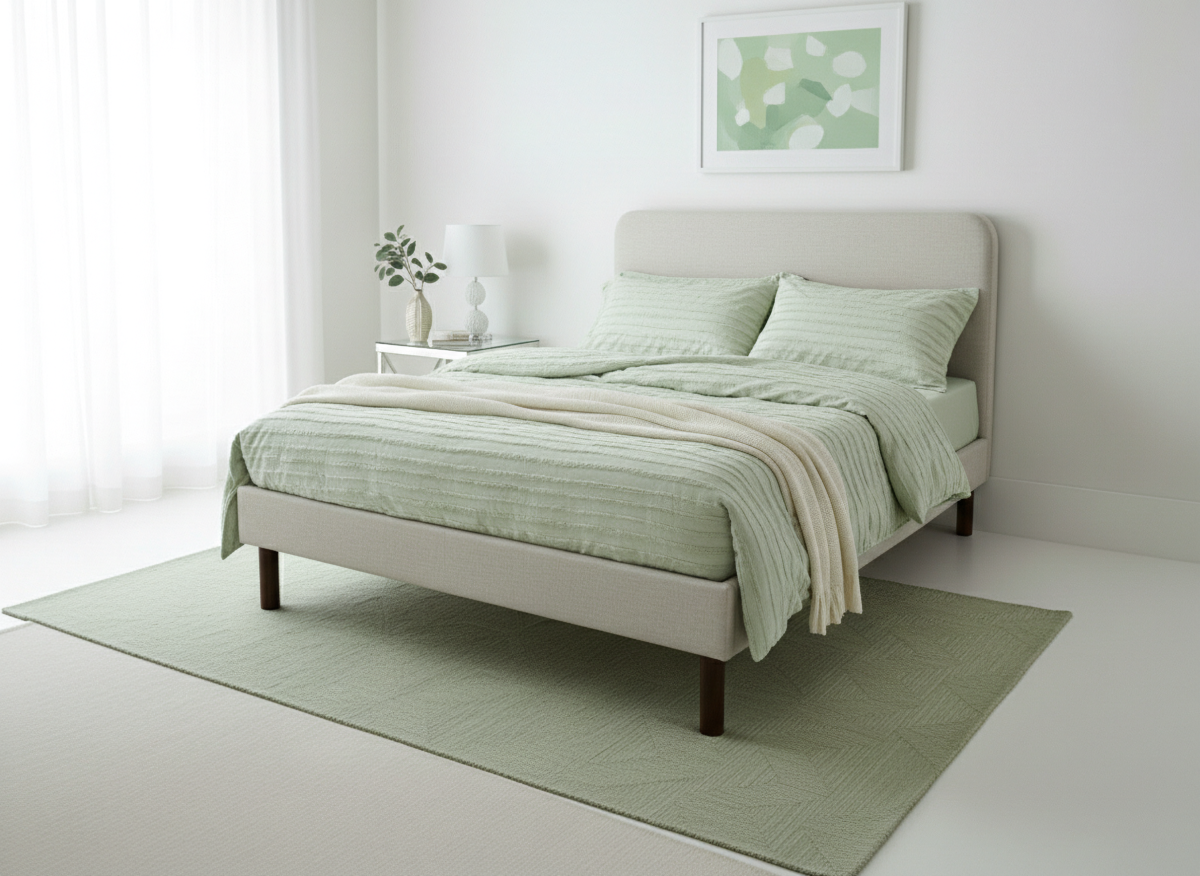
Optimize the Bedroom
A few simple adjustments can contribute to better rest:
-
Keep the room at a cool temperature
-
Reduce light exposure
-
Choose bedding suited to the season
A consistent environment sends a clear signal to the body: it is time to recover.
Look at Your Bed with Fresh Eyes
How long have you been using your mattress?
Do you wake up more tired than you used to, without an obvious reason?
A good sleep surface should:
-
Maintain the body’s natural alignment
-
Minimize pressure points
-
Absorb movement
Over time, some materials lose their ability to provide even support. This change is often gradual, which makes it difficult to notice.
Adjust Gradually
There is no need to change every habit at once.
Observe, adjust, test.
Sleep is about balance. Sometimes, one single factor can make a noticeable difference.
Listen to What Your Fatigue Is Trying to Tell You
Waking up tired is not always about the number of hours slept. Sometimes, it is a signal.
A signal that the body is not fully recovering.
A signal that the environment could be improved.
A signal that your sleep support may need to be reassessed.
Sleeping is not just about accumulating hours.
It is about allowing the body and mind to truly disconnect.
And often, the quality of that recovery begins where we least expect it: at the foundation.